 Aging Parents
Long-distance caregiving: staying close from another city
Long-distance caregiving is a logistics problem wearing a guilt costume. Build a small local circle who can each do one small thing, keep a fixed weekly call rather than a hoped-for spontaneous one, agree on mutual location sharing rather than one-way surveillance, and gather key documents before a crisis forces the issue. Plan visits around what's actually useful, not around easing your own conscience.
The train from my flat to my mother's house takes four hours and nine minutes, and I have spent an embarrassing amount of that journey doing arithmetic about how often I should be making it. Once a month feels inadequate. Once a fortnight feels unsustainable. There is no number that quiets the feeling that I should simply live closer, which I don't, for reasons that have nothing to do with her and everything to do with a job and a partner and a life that happened to build itself somewhere else.
The guilt, I've come to think, is mostly a decoy. It feels productive to sit with, like worrying is a form of care, but it doesn't get a smoke alarm checked or a GP appointment booked. What actually helps my mother is almost entirely logistical: who's nearby, what's written down, how often we actually talk, and whether either of us can see, at a glance, that the other one is okay.
None of what follows makes the distance smaller. But it makes the distance manageable, which turns out to be the thing that was actually needed.
Why does the guilt feel bigger than the actual problem?
Long-distance caregiving carries a specific flavour of guilt that in-person caregiving doesn't, because the absence itself feels like the failure, regardless of how much is actually being done. A sibling who lives twenty minutes away can visibly show up; a sibling who lives four hours away can only ever prove care through phone calls and spreadsheets, which never feel like enough next to a physical presence.
It's worth naming this directly, because unnamed guilt tends to leak into decisions that don't actually serve the parent, overcompensating with anxious daily calls that become a burden rather than a comfort, or agreeing to move plans that neither party has genuinely thought through. The goal isn't to feel less guilty. It's to stop letting guilt make the decisions, and let usefulness make them instead.
How do you build a local circle without imposing on people?
You cannot be the only set of eyes on a parent who lives somewhere you don't, so the real project is assembling a small, loosely coordinated circle of people who are already nearby and already have some reason to notice if something's wrong.
- A neighbour, ideally one your parent already knows, asked directly: "Would you mind if I gave you my number, just in case you ever notice something's off?" Most neighbours say yes readily; it's a small ask with an obvious, bounded scope.
- The local pharmacist, who often sees an aging parent more regularly than anyone else and notices missed prescription pickups before a family would.
- The GP receptionist, who can be told, with the patient's consent, that you're the long-distance contact and would like to be informed of anything significant.
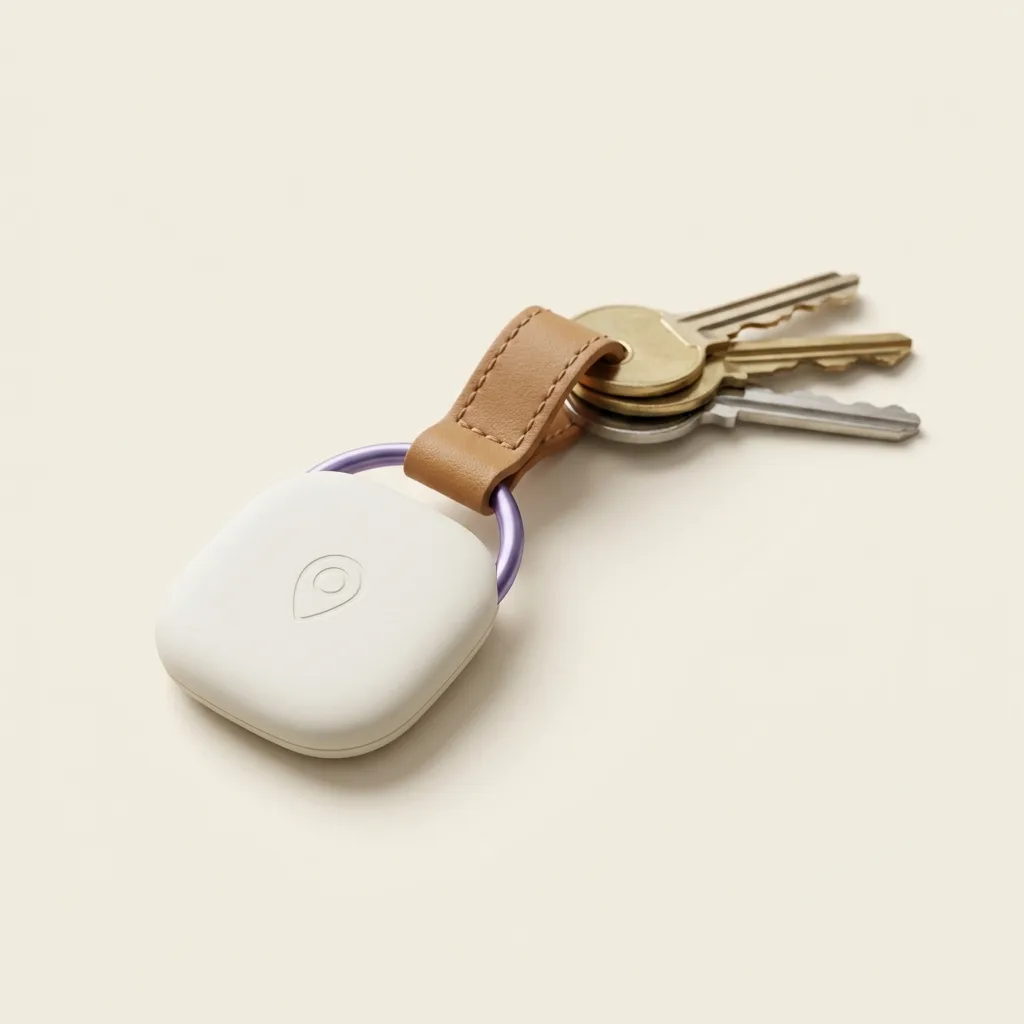
- A friend with a spare key, distinct from a neighbour who merely keeps an eye out, someone who could physically get in if a call went unanswered for a worrying length of time.
The trick to asking without imposing is scope: nobody wants an open-ended commitment to caregiving, but almost everyone will say yes to a specific, bounded, occasional ask. "Could I text you if I can't reach her for a day, just to ask you to knock?" is a request most people can hold comfortably for years.
Why does a fixed weekly call work better than a spontaneous one?
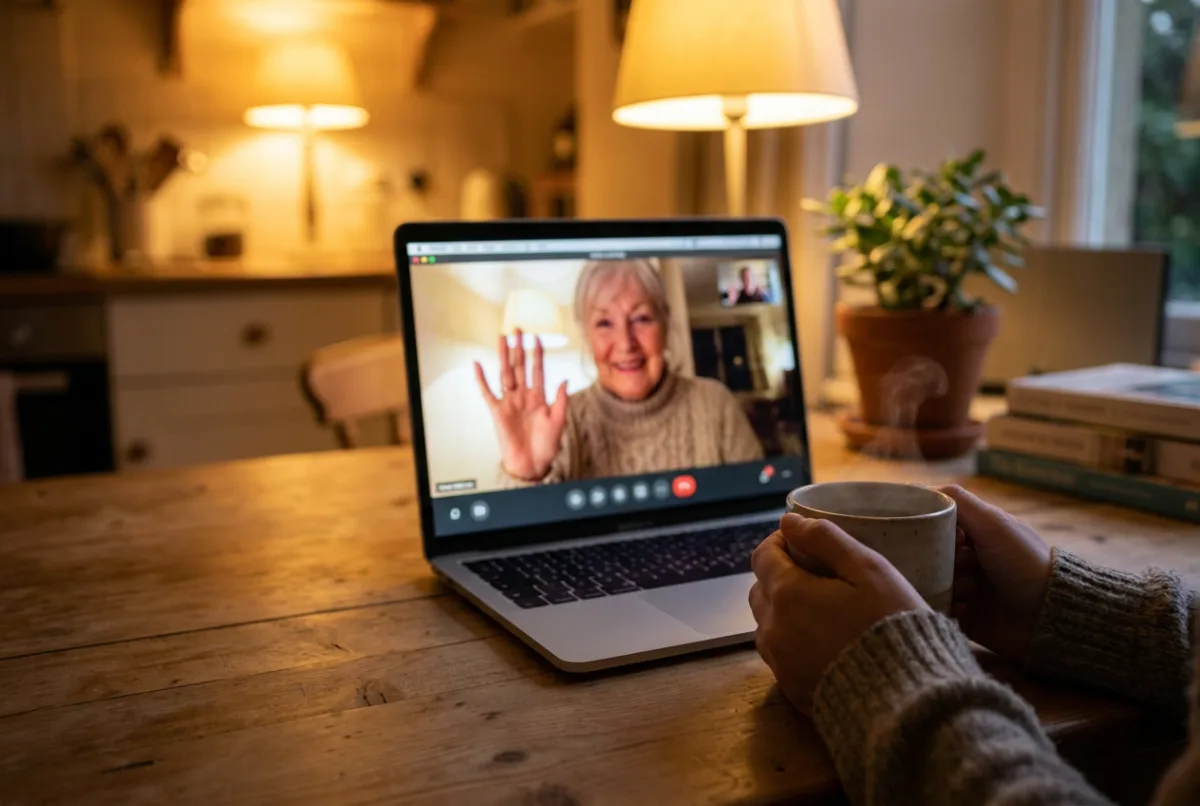
"We'll talk whenever" sounds relaxed but tends to erode fast under the weight of two busy lives in different time zones or different daily rhythms. A fixed slot, Sunday at 6pm, always, does something a spontaneous arrangement can't: it becomes a landmark in the week that both people can plan around and, eventually, look forward to rather than negotiate.
There's a second, quieter benefit: a missed fixed call is informative in a way a missed spontaneous one isn't. If your mother is always available at 6pm on Sundays and one week she isn't, and doesn't call back within the hour, that's a real, specific signal, not an ambiguous "we just didn't get round to it" that could mean anything or nothing.
This same logic runs through Daily check-in rituals that don't feel like checking up: the value of a ritual isn't the conversation itself so much as the fact that its absence means something specific and actionable.
Be Closer shows your whole family on one private map, free to start.
Consent-first, never sold, and gentle on your battery. iOS and Android.
How does shared location work across distance, and is it fair to ask for?
Location sharing between an adult child and a parent works best framed as mutual, not as monitoring flowing one direction. If you can see your mother's rough location, she can see yours too, it's a shared visibility, not a one-way window into her life, and that framing changes how it lands almost completely.
Making shared location feel mutual, not managed
- Both people share, not just the parent, reciprocity is the difference between a family arrangement and a supervision arrangement.
- Agree on what triggers an alert together: arriving home from a regular outing, for instance, rather than every movement all day.
- Talk about it as convenience, not safety-checking, where that's honestly true: "I'll know when you're back from your walk without having to text and ask."
- Revisit the arrangement periodically and let either person opt to change it, consent that was given once should be re-confirmed, not assumed permanent.
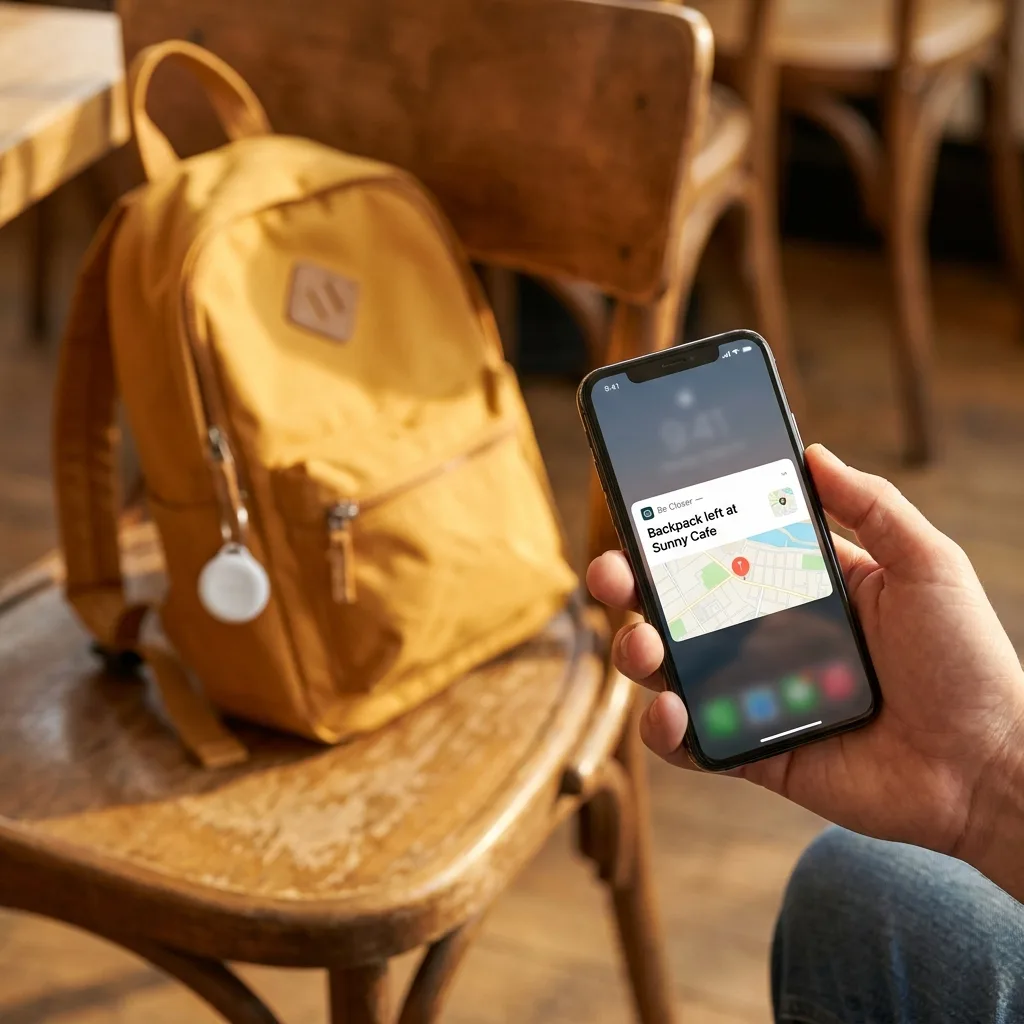
An arrival alert, a notification when someone reaches or leaves a familiar place, like home or the GP surgery, tends to feel far less intrusive than a live tracking map that's open all day, and it answers the actual question a distant adult child usually has, which is simply: did she get there okay?
What documents and access actually need sorting, before there's a crisis?
The worst time to discover you don't have power of attorney, don't know which bank your father uses, or don't have a spare key is during an emergency, when every one of those gaps costs precious time. None of this needs to happen all at once, and it's worth raising as ordinary admin rather than a grim rehearsal for the worst.
| Item | Why it matters at a distance |
|---|---|
| Power of attorney (financial and health) | Lets you act on their behalf if they can't, without a lengthy legal process started from scratch in a crisis |
| List of medications and GP contact | Saves critical time if you need to speak to a doctor on their behalf during an emergency call |
| Spare key location | So someone can get in fast without breaking a door down, and you know who has it |
| Bank and utility provider names | Enough to make a call or flag a missed payment, without needing full account access |
| A written or shared list of the local circle's contact details | So you're not hunting for a neighbour's number while worried |
A simple shared document, updated once or twice a year, does most of this. It's unglamorous, and it's some of the most genuinely useful caregiving you can do from four hours away.
How should visits actually be planned?
It's tempting to save up visits for milestones, birthdays, holidays, the trips that feel meaningful to plan around. Those matter, but a caregiving visit is a different kind of trip, and it's worth occasionally scheduling one purely around usefulness: a day to sort the medicine cabinet, meet the new GP, walk the route to the shops together and notice anything that's become harder, fix the thing that's been broken for months.
These visits tend to feel less warm in the moment and more valuable in retrospect, and mixing them with the purely social visits keeps the whole relationship from tipping entirely into either checklist or performance. For the setup that makes the in-between time easier to manage from afar, see Aging parents living alone: a safety setup that respects their independence and, for the smaller everyday items worth having sorted, The blue bowl problem.
Frequently asked questions

Priya writes about the family members we care for at every age, parents living alone, dogs that bolt at squirrels, and the quiet worry in between. She writes the way she checks in: gently, and always dignity first.
Our guides are written by Be Closer's editorial voices and reviewed by the team behind the app. Questions? support@becloser.com
Published · Updated